After a serious car accident, one of the first questions many people ask isn't about their vehicle—it's, "Who's going to pay my medical bills?"
Emergency room visits, ambulance transportation, diagnostic testing, surgery, rehabilitation, and follow-up appointments can become overwhelming long before an insurance claim is resolved. In Texas, several different types of insurance may help cover these costs, but understanding how they work isn't always simple.
At The Law Office of Joel M. Vecchio, P.C., we help injured Texans understand their rights after an accident and pursue the compensation they deserve. Our team provides personalized representation, free consultations, and works on a contingency-fee basis—you pay nothing unless we recover compensation for you.
Texas Is an At-Fault State
Texas follows an "at-fault" insurance system. This means the driver who caused the accident is generally responsible for the damages they create, including another person's medical expenses, lost wages, property damage, and pain and suffering.
However, determining fault and negotiating with insurance companies doesn't happen overnight. Investigations may take weeks or even months, and injury claims often require extensive documentation before a settlement is reached. During that time, medical providers still expect payment for the care you've received.
Because of this delay, accident victims frequently need to explore other payment options while their claim is pending.
Personal Injury Protection (PIP) May Help Immediately
Many Texas auto insurance policies include Personal Injury Protection (PIP) coverage unless it has been declined in writing. PIP can be one of the fastest ways to help cover medical expenses following an accident because it pays regardless of who caused the crash.
Depending on your policy limits, PIP may help pay for:
- Emergency medical treatment immediately after the collision, including ambulance transportation and hospital care.
- Follow-up doctor's appointments, diagnostic testing, rehabilitation services, and certain ongoing medical treatments related to the accident.
- A portion of lost income if your injuries prevent you from returning to work while you recover.
Since PIP benefits are designed to be available quickly, they can provide valuable financial relief while your injury claim moves through the insurance process.
Health Insurance Can Also Play an Important Role
If your injuries require treatment beyond your available PIP benefits—or if you do not carry PIP coverage—your health insurance may help cover many of your medical expenses.
While using health insurance often means paying deductibles or copays, it can prevent medical bills from becoming overwhelming during your recovery. In some situations, your health insurance company may later seek reimbursement from your settlement if the at-fault driver's insurance ultimately pays your claim.
Health insurance may help with expenses such as:

Received immediately after the accident, including diagnostic tests and necessary procedures.

With physicians, specialists, or orthopedic providers to monitor your recovery.
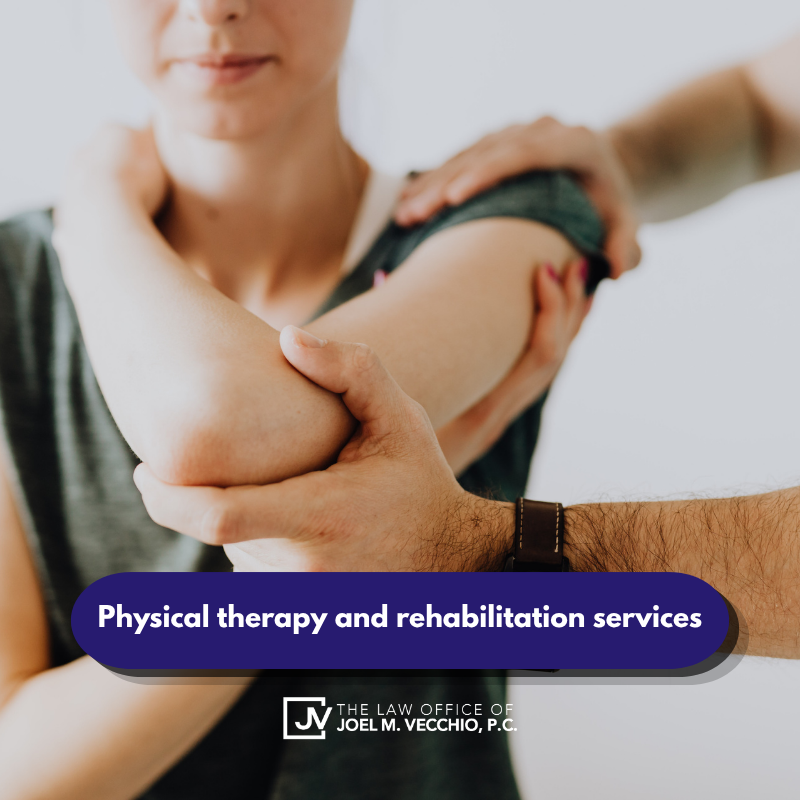
Services that help restore mobility and reduce long-term pain after your injuries.

Needed to manage pain, inflammation, or other accident-related conditions.
Every insurance policy is different, so it's important to review your coverage, understand your out-of-pocket responsibilities, and speak with a knowledgeable attorney if you have questions about how your medical expenses may affect your injury claim.
What Happens If the Other Driver Is Uninsured?
Not every driver carries adequate insurance. Some drivers have no insurance at all, while others only carry the minimum coverage required by Texas law. When this happens, recovering compensation can become more challenging—but it doesn't necessarily mean you have run out of options.
Depending on your own insurance policy, you may still be able to recover compensation through:
Personal Injury Protection (PIP) Benefits
PIP benefits, if available on your policy, can help pay certain medical expenses regardless of who caused the accident.
Because uninsured and underinsured claims often involve complex insurance issues, it's important to understand your rights before accepting any settlement offer. An experienced personal injury attorney can review your available coverage, explain your legal options, and help you pursue the compensation you may be entitled to receive.
Keep Detailed Records of Every Expense
One of the most important things you can do after a car accident is carefully document everything related to your injuries and treatment. Thorough records not only help demonstrate the extent of your damages but can also strengthen your claim during settlement negotiations.
Be sure to keep documentation such as:
- Medical bills, hospital invoices, pharmacy receipts, and physical therapy statements that show the cost of your treatment.
- Records of missed work, reduced income, or employer documentation if your injuries prevent you from performing your normal job duties.
- Physician recommendations, treatment plans, diagnostic reports, and receipts for travel or other out-of-pocket expenses related to your recovery.
The more complete your documentation is, the easier it becomes to demonstrate the full financial impact the accident has had on your life.
Avoid Settling Too Quickly
Insurance companies often contact accident victims shortly after a collision. While an early settlement offer may seem helpful, accepting compensation before understanding the full extent of your injuries can leave you responsible for future medical expenses that were never included in the settlement.
Some injuries require weeks or months before doctors can determine the long-term effects or whether additional treatment will be necessary. Settling too early could prevent you from recovering compensation for future care, rehabilitation, or ongoing medical needs.
Taking the time to fully understand your injuries before making important legal decisions can protect both your health and your financial future.
How Vecchio Injury Law Helps Texas Accident Victims
At The Law Office of Joel M. Vecchio, P.C., clients receive personalized legal representation focused on protecting their rights and helping them pursue the compensation they deserve. The firm provides guidance throughout every stage of the claims process, including:
- Investigating the accident by reviewing evidence, gathering documentation, and helping establish liability to build a strong personal injury claim.
- Communicating with insurance companies so clients don't have to handle difficult negotiations or respond to adjusters on their own.
- Evaluating the full value of a claim, including medical expenses, lost wages, property damage, pain and suffering, and other accident-related losses.
- Advocating for fair compensation through strategic negotiations and, when necessary, preparing cases for litigation to protect clients' best interests.
Joel M. Vecchio works directly with clients throughout their case, providing clear communication and individualized attention rather than a one-size-fits-all approach.
Don't Let Medical Bills Add More Stress to Your Recovery
Recovering from a car accident is difficult enough without worrying about how you'll pay for necessary medical care. Understanding the different sources of coverage available, documenting your expenses, and making informed decisions throughout the claims process can make a significant difference in both your recovery and your financial outcome.
If you've been injured in a Texas car accident and have questions about your legal options, speaking with an experienced personal injury attorney can help you better understand your rights and the next steps available to you.
Frequently Asked Questions
1. Who pays my medical bills immediately after a Texas car accident?
Depending on your situation, Personal Injury Protection (PIP), health insurance, or other available coverage may help pay medical expenses while your injury claim is being resolved.
2. Do I have to wait for the insurance settlement before receiving medical treatment?
No. Delaying medical care can affect both your health and your injury claim. Seek treatment as soon as possible and explore available insurance options to help cover the costs.
3. What if the other driver doesn't have insurance?
You may still have options through uninsured or underinsured motorist coverage if your policy includes it. Every situation is different, so it's important to review your available coverage carefully.
4. Should I accept the insurance company's first settlement offer?
Not necessarily. Early offers may not account for future medical treatment, lost income, or long-term complications related to your injuries.
5. Can an attorney help if I'm already receiving medical bills?
Yes. An experienced personal injury attorney can help explain your legal options, communicate with insurance companies, and work to pursue compensation for accident-related damages.