Vicarious Liability - Holding Companies Responsible for Their Employees’ Negligence
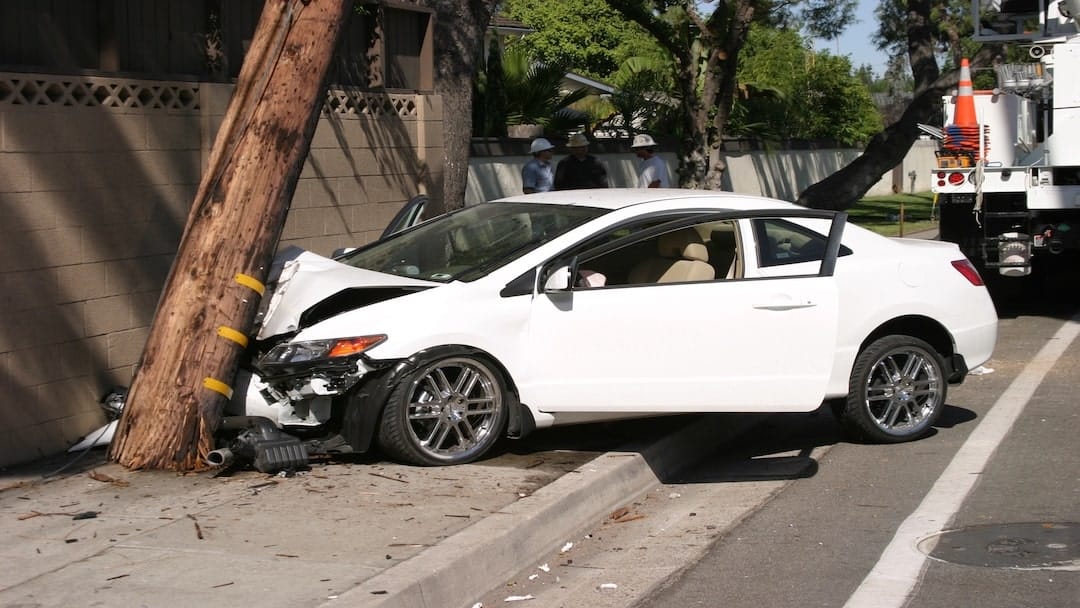
Imagine you own a delivery company in Texas, and one of your drivers, while making deliveries, speeds through a red light andcrashes into a car. Even though you weren’t behind the wheel, you could be held legally responsible for the damages. This is due to vicarious liability, a principle that holds employers accountable for the negligent actions of their employees performed within the scope of their employment.
This principle, based on the doctrine of respondeat superior, emphasizes the importance of having clear policies and training to manage risks effectively. Employers must demonstrate control over their employees’ actions to limit liability, distinguishing between actions within the scope of work and those outside it.
It’s important to understand this legal concept to protect yourself and your assets from unforeseen legal consequences.
What is Vicarious Liability?
Vicarious liability is a legal concept where an employer can be held responsible for the actions of their employees while they’re performing job-related duties. Under certain circumstances, the business can be held accountable for the negligent acts of others associated with you.
Examples where you could be held liable for another person’s actions:
- An employee causes a car accident while making deliveries for your business.
- A server at your restaurant accidentally injures a customer while serving hot food.
This principle, known as respondeat superior, guarantees accountability and encourages workplace safety.
The Principle of Respondeat Superior
In employment law, the principle of respondeat superior (“let the superior answer”) holds significant importance, as it establishes that an employer can be held liable for the actions of an employee conducted within the scope of their job.
This means that if an employee causes harm or damage while performing their work duties, you, as the employer, may face legal consequences.
The rationale behind this principle is to guarantee that businesses take responsibility for their employees’ actions, encouraging them to foster a safe and responsible work environment.
It’s important to understand this principle, as it directly impacts your liability in various situations, and reinforces the need for clear policies and training to mitigate risks associated with employee conduct.
Ensuring Accountability and Workplace Safety
Understanding vicarious liability is important for employers who want to keep their workplace safe and make sure they are accountable for their employees’ actions. Help your business stay responsible for what employees do, promoting a culture of safety and responsibility.
Here are some ways to improve safety at work:
Clear policies: Set clear rules and make sure everyone knows what behavior is acceptable.
Training programs: Provide employees with the skills and knowledge they need to avoid accidents.
Regular assessments: Perform safety checks regularly to spot any risks.
Open communication: Let employees feel comfortable reporting unsafe conditions without worrying about getting in trouble.
Prompt action: Fix problems quickly to keep the workplace safe.
Key Legal Doctrines Related to Vicarious Liability
When learning about vicarious liability, it’s important to understand some key legal rules. The Coming and Going Rule and the Frolic and Detour doctrines are major factors in deciding who is responsible in different situations. Here’s a look at how these rules impact what employers and employees are responsible for.
The Coming and Going Rule
The Coming and Going Rule is an important legal principle in vicarious liability, which decides if an employer is responsible for an employee’s actions while they commute to and from work.
Usually, employers aren’t held accountable for accidents that happen during an employee’s commute. But there are some exceptions, like:
- An employee rushing to an important meeting and speeding
- A company vehicle being involved in an accident during the commute
- An employee picking up supplies for work on the way home
- An employer-organized event that changes the usual commute
- An employee running a work-related errand during commuting hours
These situations can make things less clear, so it’s important to look at the specific details of each case.
The Frolic and Detour Doctrines
In vicarious liability, it’s important to understand the frolic and detour doctrines.
A frolic happens when an employee makes a big detour from their work duties, while a detour is a smaller deviation that still relates to their job. Figuring out if an action is personal or professional is key to determining if the employer is liable.
Frolic: Significant Deviations
A frolic means the employee is doing something completely unrelated to their job, and the employer is usually not responsible for what happens during this time. For example, imagine an employee who:
- Takes a long lunch break
- Goes to a personal appointment
- Participates in leisure activities
- Runs personal errands
- Attends a social event not related to work
In these cases, liability usually doesn’t fall on the employer.
Detour: Minor Deviations
While a frolic involves major deviations from work duties, a detour is a small deviation that still connects to the employee’s job. For example, if an employee stops for coffee while making a delivery, this small diversion might still make the employer liable.
Understanding the difference between these helps determine when companies are responsible for their employees’ actions, even during small detours.
How to Determine Frolic and Detour
When courts decide if an employee was on a frolic or detour, they look at several factors:
Scope of employment: The courts will check if the employee was doing their job when the incident happened.
Time frame: How long was the employee away from their work? Did this happen during work hours?
Location: Was the incident at a place related to the employee’s work?
Personal or company interest: Was the detour for personal reasons or for the business?
Foreseeability: Could the employer reasonably expect the employee to take this detour? For instance, going out with clients after work or having lunch offsite might be things an employer could expect.
If an employee is found to have been on a frolic or detour, the consequences can be serious. Their job, financial stability, and reputation might be at risk.
Legal Consequences for Vicarious Liability
In cases involving vicarious liability, the legal consequences can greatly impact you financially. You might find yourself responsible for compensating damages, covering medical expenses, or even addressing lost wages for the affected party.
Additionally, you could face increased insurance premiums as a result of the claims filed against you.
Financial Compensation for Damages
Vicarious liability can have serious financial consequences for employers when their employees cause harm while doing their jobs. If you’re held responsible, the damages can be significant and affect your company’s profits.
The financial impact may include:
Medical bills for victims who need treatment
Lost wages for people unable to work because of injuries
Costs to repair or replace property damaged in the incident
Legal fees for defending against lawsuits
Settlement payments or jury awards that could be in the millions
These costs can hurt both your finances and your company’s reputation. It’s important to understand the risks of vicarious liability and take steps to reduce the chances of these situations happening
Covering Medical Expenses
Covering medical expenses can be a tough responsibility for employers dealing with vicarious liability. If an employee’s actions cause someone to get hurt, you could be held responsible for paying the injured party’s medical bills, even though you didn’t directly cause the accident.
In other words, if an employee gets into an accident while doing their job, you might have to cover the injured person’s medical treatment.
Increased Insurance Premiums
A major consequence you might face is an increase in your insurance premiums. If your company is held responsible for your employees’ actions, insurance companies may see you as a higher risk, leading to higher insurance costs, which can strain your budget.
You could see your liability insurance rates go up or be required to carry higher coverage limits. Some insurers might also impose stricter conditions, reducing your coverage options.
Understanding the possible financial impact of vicarious liability is important. It can influence your company’s risk management strategy and decisions about employee training and supervision.
Establishing Vicarious Liability in a Personal Injury Case
To establish vicarious liability in a personal injury case, you need to prove several key elements.
- The act must have been committed by an employee.
- The employee was acting within the scope of their employment.
- The employer had the ability to control the employee.
- The employee’s actions directly caused the injury.
Act Committed by an Employee
Understanding vicarious liability depends on the actions of employees while they’re doing their job. When an employee does something that causes harm, it’s important to look at their actions to figure out if the employer is responsible.
Here are some examples:
- A delivery driver speeds to meet a deadline and causes an accident.
- A restaurant server accidentally spills hot coffee on a customer while rushing.
- A construction worker leaves tools scattered, creating a trip hazard.
- A salesperson gives false information about a product, which leads to customer injury.
- A janitor fails to clean up a spill, and someone slips and falls.
In each case, what the employee did can determine if the employer is held responsible for the injuries caused.
Employee Acting Within the Scope of Employment
Figuring out if an employee acted within the scope of employment is important when trying to prove vicarious liability in personal injury cases.
You need to look at what the employee was doing. Were they carrying out their work duties, or were they handling something personal? If the employee was doing their job, the employer could be responsible for any harm caused.
Courts usually check if the employee’s actions were meant to help the employer. They also look at whether the actions took place during work hours and in the work environment.
If you can show the employee was doing work-related tasks when the incident occurred, it helps build a strong case for vicarious liability
Employer Had the Ability to Control the Employee
Did the employer have the ability to control what the employee was doing? This control is a big part of proving liability because it shows how much influence the employer had over the employee’s actions during work.
Here are some ways employers show control:
- Setting clear policies and procedures.
- Providing training that guides employees’ behavior.
- Directly supervising work tasks.
- Using performance evaluations to check if employees follow rules.
- Having disciplinary actions for any misconduct.
If you can show the employer had strong control over the employee, it makes the case for vicarious liability stronger.
This connection is key to deciding if the employer is responsible for the employee’s actions.
Element of Causation
To prove vicarious liability in a personal injury case, proving causation is key. You need to show that the employee’s actions directly caused the injury. This means there has to be a clear connection between what the employee did and the harm the victim experienced.
If the employee was acting within the scope of their job when the incident happened, it makes your case stronger. But if the employee was doing something personal that wasn’t related to their job, it could make your claim weaker.
You’ll need to gather evidence like witness statements or video footage to show this connection. The goal is to convince the court that the employer should be responsible for what the employee did, as their actions played a big part in causing the injury.
Defending Vicarious Liability Claims
When dealing with a vicarious liability claim, defense attorneys might be able to show:
- The employee acted outside the scope of their job.
- You had no control over what the employee did.
- Question whether their actions actually caused the harm.
- Argue that the victim’s own actions (comparative fault or contributory negligence) played a part in the incident.
Proving Actions Outside the Scope of Employment
You need to prove that the employee’s actions were outside their job duties. This means showing that what they did wasn’t related to their work responsibilities. For example:
- The employee was on personal time, like taking a detour after work.
- The actions went against company policy, such as using company resources for personal reasons.
- The employee was involved in illegal activities that had nothing to do with their job.
- The incident happened in a location completely unrelated to their work.
These points can help show that the employer shouldn’t be held responsible for the employee’s behavior.
The “Right to Control” Test
The “Right to Control” Test verifies if the employer had sufficient control over the employee’s actions at the incident’s time. A failure to demonstrate this control can significantly undermine the case for vicarious liability, making this test a big part in determining the employer’s liability.
Lack of Employer Control Over Actions
Showing a lack of control over an employee’s actions can be a strong defense. If you can prove that the employee acted on their own, without your approval or direction, it makes the case against you weaker. This includes showing that the employee had the freedom to make decisions that went beyond your policies or training.
For example, if the employee’s actions were personal and not connected to their job, you’re less likely to be held responsible.
Having clear policies and regular training can also support your defense. By proving that the employee wasn’t under your control during the incident, you can argue against being held liable and protect your business.
Proving Actions Outside the Scope of Employment
Doctrine Examples Outcome
Frolic An employee leaves their work site to attend a personal event without permission. Court ruled outside the scope of employment, employer not liable.
Detour An employee makes a minor detour for personal errands while on a work-related task. Mixed outcomes; depends on the extent of deviation from assigned tasks.
Determining Scope Cases where employees were performing tasks benefiting the employer. Generally ruled within the scope, employer liable.
Personal vs. Professional Actions Comparing actions taken for personal benefit vs. those under job duties. Actions for personal benefit often lead to employer non-liability.
Challenging Causation and Damages
You need to show that the employee’s actions didn’t directly cause the harm, or that the damages being claimed are overstated. Here’s what to focus on:
- Proving there’s no clear connection between the employee’s actions and the incident.
- Showing that the damages were pre-existing or not related to the employee’s actions.
- Pointing out third-party negligence that contributed to the situation.
- Arguing that the employee was acting outside their job duties.
- Proving that the employee didn’t intend harm or act negligently.
Example: a store employee accidentally spills water on the floor, and a customer claims they slipped and were injured. However, security footage shows the customer didn’t actually fall where the spill occurred but tripped on their own shoelaces. In this case, the employee’s actions (spilling water) didn’t directly cause the harm.
Arguing Comparative Fault or Contributory Negligence
By showing that the injured person was partly responsible for the accident, you can reduce the employer’s liability. You’ll need to gather evidence that shows how the injured person contributed to the incident, like not following safety rules. If you can also prove that the employee was acting outside their job duties or was being reckless, it makes your case even stronger.
Pointing out these facts can help shift some of the blame away from the employer and show that they shouldn’t be fully responsible for what happened.
Examples:
Failure to follow safety protocols: A customer in a store ignores wet floor signs and slips, then files a claim. By proving that the customer disregarded safety warnings, you could argue they share responsibility for the accident, reducing the employer’s liability.
Plaintiff’s reckless behavior: A pedestrian crosses the street without looking and is hit by a delivery driver. Even though the driver is partially at fault, showing that the pedestrian was reckless could reduce the employer’s liability by demonstrating shared responsibility for the accident.
Vicarious Liability and Ride Share Companies
Ride share companies such as Lyft and Uber face unique issues with vicarious liability. If a driver causes an accident while transporting a passenger, the question arises: can the company be held responsible?
Ride share companies often label their drivers as independent contractors, which makes liability more complicated. Typically, companies aren’t liable for the actions of independent contractors. However, courts may hold the company accountable if it’s shown that the driver was acting within the scope of their work or if the company had enough control over the driver’s actions.
For example, if a driver is negligent while on a trip—like speeding or texting while driving—the company could be responsible for damages, especially if it can be proven the driver was fulfilling their role at the time. Additionally, if the company monitors driver behavior through apps or policies, this could be seen as exercising control, increasing the chance of liability.
Texas Civil Practice and Remedies Code Chapter 150E
The Texas Civil Practice and Remedies Code Chapter 150E specifically addresses the vicarious liability of transportation network companies like Uber and Lyft for actions of their drivers.
The company generally cannot be held liable unless it is proven that they were grossly negligent (extremely careless). The law applies to cases where someone seeks damages for property loss, injury, or death caused by a ride share vehicle while the driver or passenger was logged into the app. However, the company can still be held responsible if they fail to follow required procedures, such as properly vetting drivers.
Key points of chapter 150E:
- Companies aren’t liable unless gross negligence is proven.
- Applies to accidents while the ride share app is in use.
- The company must meet all legal obligations (e.g., driver background checks).
- Companies can still be held responsible for their own negligence.
Vicarious vs. Direct Liability
These two concepts determine who is held accountable for certain actions.
- Direct liability refers to being responsible for your own actions.
- Vicarious liability means an employer can be held responsible for the actions of their employees.
Examples
- A construction worker, while working at a job site for a construction company, improperly secures a ladder, which later falls and injures a passerby. The construction company can be held vicariously liable for the worker’s actions because the worker was performing job duties at the time of the incident.
- A self-employed handyman working independently improperly secures a ladder while working on a home, and the ladder falls, injuring the homeowner. In this case, the handyman is directly liable for the injury because they are personally responsible for the work and not employed by anyone else.
Why Choose The Law Office of Joel M. Vecchio, P.C.?
If you’ve been injured in an accident caused by someone else, vicarious liability can play a key role in your case. At The Law Office of Joel M. Vecchio, P.C., based in Plano, TX, our experienced personal injury lawyers understand the complexities of vicarious liability and will help you get the compensation you deserve.
Experience with Vicarious Liability and Personal Injury Law
Our lawyers are experienced in Texas personal injury laws, including vicarious liability, which holds employers responsible for their employees’ actions. This allows us to:
- Identify Liability: Determine if an employer can be held accountable for the actions of their employee.
- Apply the Law: Use relevant vicarious liability laws to strengthen your case.
- Build a Strong Case: Show how the actions of an employee, within the scope of their work, caused your injuries.
Experience Handling Complex Legal Procedures
Vicarious liability cases can be complicated, but we make the process easier by:
- Filing Claims: Manage all necessary paperwork accurately and on time.
- Gathering Evidence: Collect important documents like employment records and witness statements to prove liability.
- Communicating Clearly: Keep you updated at every step, explaining the legal process in straightforward terms.
Maximizing Compensation for Injuries and Damages
Our goal is to make sure you receive the full compensation you’re entitled to by:
- Assessing Damages: Accurately calculate your losses, from medical bills to lost wages and emotional suffering.
- Negotiating with Insurers: Work hard to secure a fair settlement without having to go to trial.
- Fighting for You in Court: If necessary, present a strong case to ensure the employer is held accountable and you receive the compensation you need.